Buscar
¿QUÉ ESTÁS BUSCANDO?
Buscar
En el sector aeroespacial, el margen de error es inexistente. Los componentes están sometidos a presiones atmosféricas extremas, vibraciones violentas y fluctuaciones de temperatura que van desde el frío criogénico del espacio profundo hasta el intenso calor de la reentrada atmosférica. Ya sea un avión comercial volando a 10.670 metros de altitud o un satélite en órbita terrestre baja (LEO), cada material debe validarse hasta su límite físico absoluto.
Para los fabricantes aeroespaciales y proveedores de nivel 1, establecer Experiencia, Conocimientos, Autoridad y Confiabilidad (EEAT) No se trata solo de un objetivo de marketing, sino de un requisito normativo. Proporcionar pruebas documentadas de que los materiales pueden soportar estas tensiones es la única manera de garantizar la seguridad del vuelo y el éxito de la misión.
Las aeronaves modernas han pasado del aluminio tradicional a los polímeros reforzados con fibra de carbono (CFRP) y aleaciones de titanio de alta resistencia para reducir el peso y aumentar la eficiencia del combustible. Sin embargo, estos materiales requieren pruebas sofisticadas para comprender su comportamiento bajo tensión.
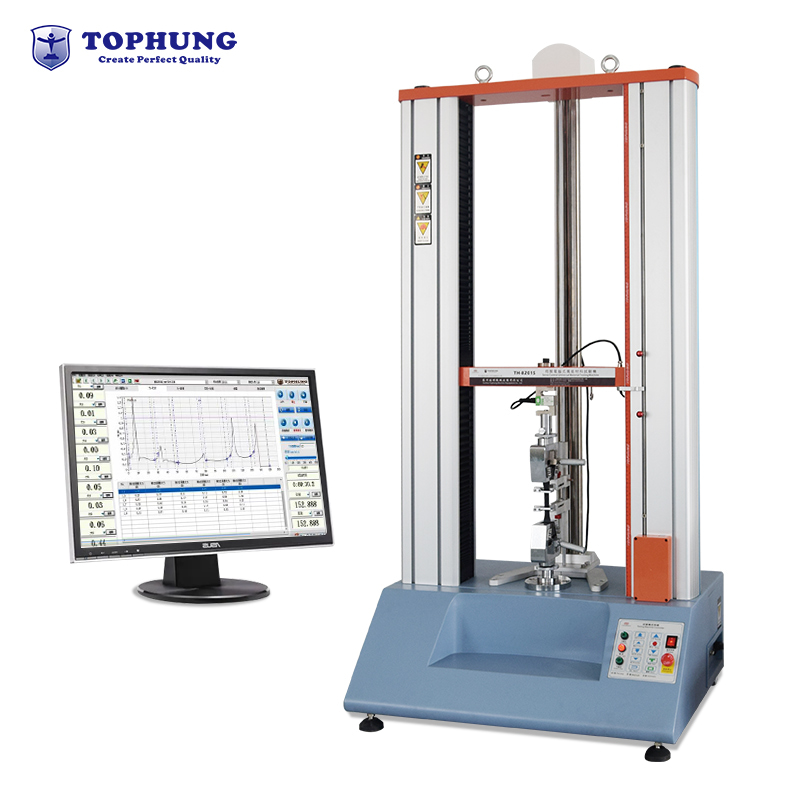
Utilizando un equipo de alta gama Máquina universal de ensayo de materiales (similar a las series TH-8207 o TH-8210 modificadas para cargas aeroespaciales) permite a los ingenieros realizar:
● Ensayos de tracción y compresión: Determinar el límite elástico y la resistencia a la tracción máxima (UTS) de las secciones del fuselaje.
● Flexión de tres puntos: Evaluación del módulo de flexión de los largueros de las alas.
● Ensayo de corte: Evaluación de la resistencia de la unión de adhesivos de grado aeroespacial utilizados en paneles sándwich.
Una aeronave contiene kilómetros de cableado crítico: el "sistema nervioso" que controla la aviónica, la propulsión y las comunicaciones. Estos cables suelen discurrir por espacios reducidos donde están sometidos a vibraciones constantes y a flexiones mecánicas durante las maniobras de vuelo.
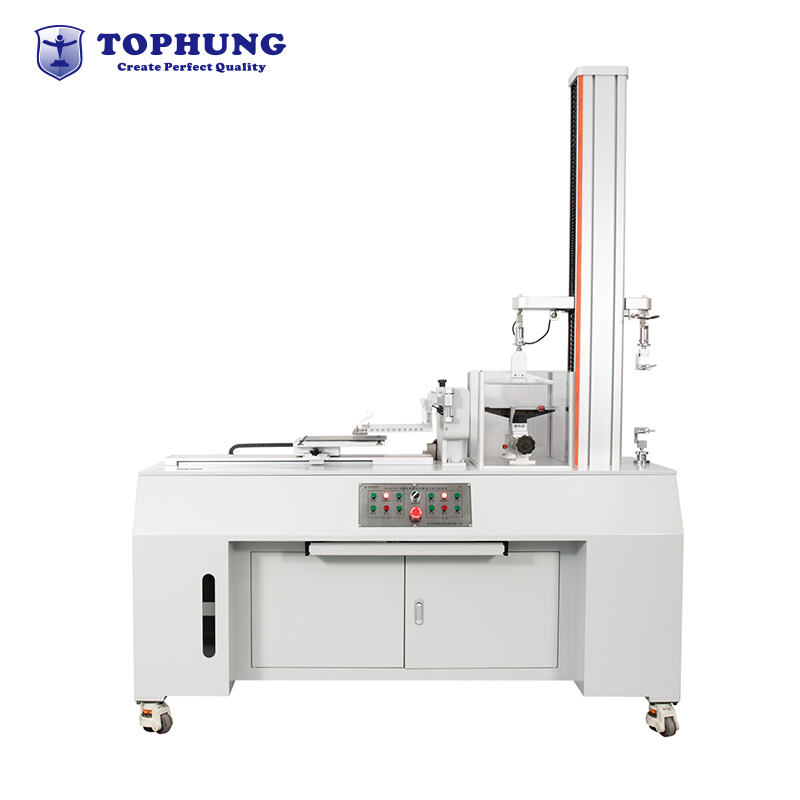
Para evitar la pérdida de señal o fallas eléctricas, los fabricantes utilizan el Máquina de prueba de flexión de cablesPara aplicaciones aeroespaciales, estas pruebas se llevan al extremo:
● Flexión de carga dinámica: Comprobar la continuidad eléctrica mientras el cable está sometido a tensión mecánica, garantizando que se mantenga un "tiempo de inactividad cero" durante las fases críticas del vuelo.
● Resistencia a la torsión: Usando un Máquina de ensayo de torsión 2D para cables para garantizar que el cableado de los componentes giratorios (como los cardanes del radar o los actuadores del tren de aterrizaje) pueda soportar millones de ciclos de rotación.
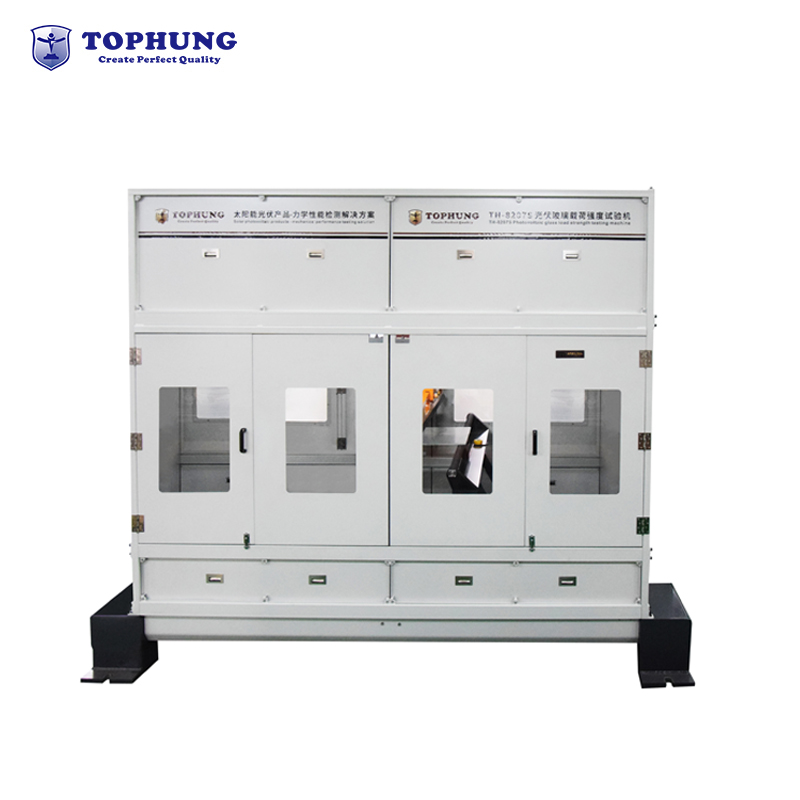
Desde colisiones con aves a altas velocidades hasta impactos de granizo en la pista, los exteriores aeroespaciales deben ser increíblemente resistentes. Equipos de precisión como el Máquina de prueba de impacto de granizo Se utiliza para simular impactos de alta velocidad en el cristal de la cabina y los paneles solares de los satélites. Al lanzar bolas de hielo o proyectiles a velocidades de hasta 50 m/s, los ingenieros pueden verificar la resistencia al impacto de las capas protectoras.
Para competir en el mercado aeroespacial global, sus datos deben ser impecables. Nuestros sistemas de prueba están diseñados para cumplir y superar los estándares internacionales, tales como: ASTM, ISO y NADCAP requisitos.
|
Característica |
Ventaja técnica |
|
Precisión del sensor |
Celdas de carga de alta precisión importadas de EE. UU. con una resolución de 1/500.000. |
|
Sistema de control |
Servomotores japoneses importados para un control de desplazamiento ultraestable. |
|
Integridad de los datos |
Software inteligente que genera informes de prueba a prueba de manipulaciones y que cumplen con la normativa. |
|
Protocolos de seguridad |
Cubiertas de protección multidimensionales para hacer frente a fallos de materiales de alta energía. |
Al invertir en pruebas mecánicas de última generación, las organizaciones aeroespaciales van más allá del mero cumplimiento de las normativas: construyen un legado de seguridad e innovación que define el futuro de la aviación.



 Red IPv6 compatible